


If you’re wondering where the real estate action is heating up in 2026, look no further than the Northeast. Markets like Hartford, Connecticut, are leading the charge, drawing in buyers with a compelling mix of relative affordability and proximity to major job centers. This isn’t just a fleeting trend; it’s a sign that smart shoppers are looking for value, and these markets are delivering.
As someone who’s been following the housing market for years, I’ve seen trends come and go, but this current surge in certain areas feels different. It’s driven by a fundamental shift in how people are approaching homeownership. They’re not just looking at the biggest cities anymore; they’re exploring areas that offer more bang for their buck without sacrificing access to opportunities.
Hottest Housing Markets in 2026: Northeast Leads With Hartford at $475K
| Rank | Metro Area | Hotness Rank YoY | Viewers per Property vs. U.S. | Median Days on Market | Median Listing Price (If Active) |
|---|---|---|---|---|---|
| 1 | Hartford-West Hartford-East Hartford, Conn. | -4 | 5.3 | 25 | $475,000 |
| 2 | Amherst Town-Northampton, MA | 0 | 3.1 | 19 | $550,000 |
| 3 | Waterbury-Shelton, CT | -28 | 3.5 | 27 | $400,000 |
| 4 | Norwich-New London, Conn. | -17 | 3.6 | 29 | $480,000 |
| 5 | Springfield, Mass. | 4 | 3.1 | 25 | $375,000 |
| 6 | Kenosha, WI | -1 | 3 | 26 | $400,000 |
| 7 | Rochester, N.Y. | -1 | 2.8 | 24 | $330,000 |
| 8 | Bridgeport-Stamford-Norwalk, Conn. | -3 | 3 | 26 | $847,000 |
| 9 | Lancaster, Pa. | 0 | 2.7 | 24 | $430,000 |
| 10 | Manchester-Nashua, N.H. | 7 | 3.2 | 30 | $585,000 |
What Makes a Market “Hot”?
Before we dive into the specifics, let’s break down what we mean by a “hot” housing market. On Realtor.com, they measure this by looking at two key things: how many people are checking out listings (demand) and how quickly those homes are selling (pace). Basically, if a lot of people are looking at a house and it sells super fast, that market is definitely buzzing.
Northeast Dominance: A Closer Look
This year, the Northeast has truly captured the spotlight. Fifteen out of the top 20 hottest markets are in this region, with Connecticut alone boasting five spots. This isn’t about just one type of buyer or one price range, either. You’ll find everything from more affordable spots to pricier areas, showing that the demand is widespread.
Why the Northeast?
A big reason for this trend is affordability. Places like Boston and New York City, while great, have become incredibly expensive. So, buyers are looking just outside these major hubs, finding places where they can get more for their money. Hartford, for example, has a median listing price of $475,000, which is much more accessible than Boston’s $849,000 or New York’s $775,000. This makes it a prime target for people who work in those big cities but want a more affordable place to call home.
Homes in these hot markets are flying off the shelves. In Hartford, the typical home sells in just 25 days, which is way faster than the national average. This means buyers need to be ready to make a move fast if they want to snag a place.
The Midwest’s Steady Performance
While the Northeast is getting a lot of attention, the Midwest is also holding its own. Five markets in this region made it into the top 20, showing consistent strength. Places like Kenosha, Wisconsin, and Rochester, New York, are still seeing plenty of interest and quick sales.
Midwest Appeal
The Midwest often offers a more balanced market, with a good mix of affordability and livability. Even as more expensive areas heat up, these Midwestern towns continue to attract buyers who value a strong sense of community and a reasonable cost of living.
What’s Driving Demand?
One of the biggest factors behind these hot markets is a serious lack of homes for sale. Compared to before the pandemic, many of these areas have way fewer houses on the market – sometimes 50% or even more. This shortage means that when a home does pop up, there’s a lot of competition to buy it.
Inventory Woes
In the fastest-moving markets, like Amherst Town-Northampton, Massachusetts, and Rochester, New York, the inventory is incredibly low. Homes there are selling in as little as 19 to 24 days. Even in places like Hartford and Bridgeport, Connecticut, the number of homes available is still about 75% less than it was before the pandemic.
There are some markets where inventory is slowly improving, like Concord, New Hampshire, and Manchester-Nashua, New Hampshire. This gives buyers a little more to choose from, which is why homes might sit on the market for closer to 30 days. However, even with these improvements, inventory is still considered tight by historical standards.
Big Cities Rebounding
While smaller markets are leading the pack, some of the larger metropolitan areas are starting to see a comeback. The New York-Newark-Jersey City area, for instance, jumped 53 spots in the rankings this past year. This shows that even in huge cities, buyers are starting to weigh the pros and cons of affordability versus opportunity.
Signs of Life in Major Metros
Other large metros like Jacksonville, Florida, and Kansas City are also seeing positive movement. San Francisco, despite its high costs, is also showing improvement, with homes selling much faster than the national average. This suggests that people are still drawn to the job prospects and amenities that big cities offer, even if they have to be more strategic about their housing choices.
What This Means for You
For Buyers:
- Be Prepared to Act Fast: If you’re looking in one of these hot markets, you need to be ready to make an offer quickly. Have your finances in order and be decisive.
- Look Beyond the Obvious: Don’t be afraid to explore areas just outside the most popular spots. You might find a hidden gem.
- Affordability is Key: With prices still high in many areas, focus on markets where your budget can go further.
For Sellers:
- Limited Supply is Your Advantage: If you’re in a hot market with few homes for sale, you’re in a strong position.
- Price Realistically: Buyers are still looking for value. Setting a fair price will attract attention.
- Get Ready for Quick Offers: Homes in these markets are selling fast, so be prepared for a swift transaction.
For the Overall Market:
The housing market recovery is happening, but it’s not the same everywhere. The Northeast and Midwest are definitely leading the way. As more homes become available in other regions, we might see more balanced activity. But for now, if you’re looking for a fast-paced market, these top spots are where you’ll find it.
It’s an exciting time to be in the real estate world, and I’m looking forward to seeing how these trends continue to shape the way we buy and sell homes.
Want Stronger Returns? Invest Where the Housing Market’s Growing
In 2026, select U.S. cities are projected to see surging demand, rising rents, and appreciation—creating prime opportunities for investors seeking passive income and long‑term wealth.
Work with Norada Real Estate to find stable, cash-flowing markets beyond the bubble zones—so you can build wealth without the risks of ultra-competitive areas.
🔥 HOT 2026 INVESTMENT LISTINGS JUST ADDED! 🔥
Talk to a Norada Investment Counselor (No Obligation):
(800) 611-3060
🏡 2 Real Estate Investment deals: Indiana vs Missouri
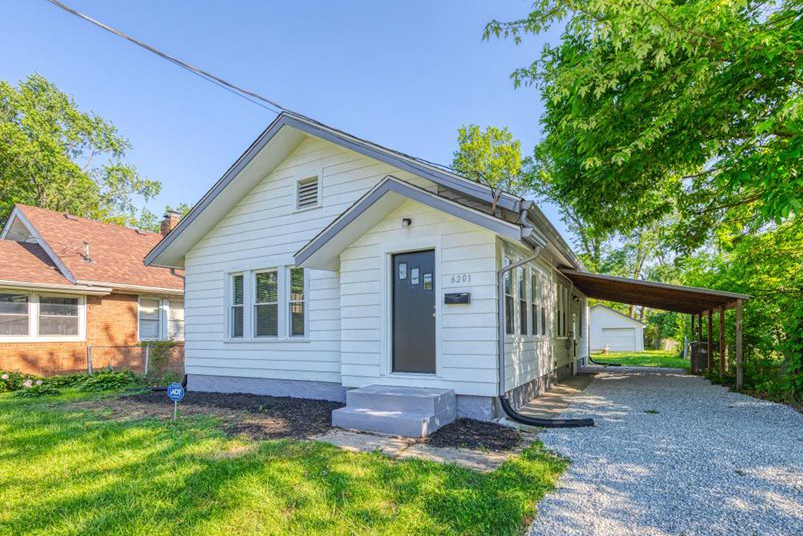
Indianapolis, IN
🏠 Property: E 14th St
🛏️ Beds/Baths: 3 Bed • 1 Bath • 964 sqft
💰 Price: $188,000 | Rent: $1,500
📊 Cap Rate: 7.8% | NOI: $1,218
📅 Year Built: 1931
📐 Price/Sq Ft: $196
🏙️ Neighborhood: C+
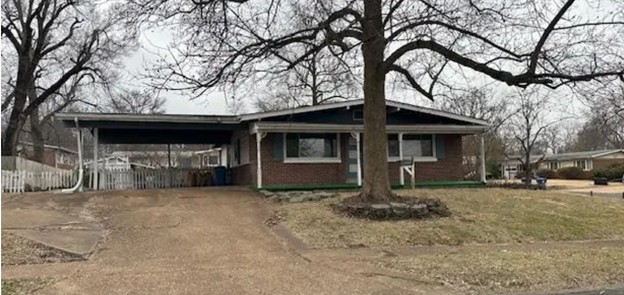
Florissant, MO
🏠 Property: Johnstown Dr
🛏️ Beds/Baths: 4 Bed • 2 Bath • 1344 sqft
💰 Price: $240,000 | Rent: $2,200
📊 Cap Rate: 8.0% | NOI: $1,597
📅 Year Built: 1956
📐 Price/Sq Ft: $179
🏙️ Neighborhood: B+
Out‑of‑State investors can compare Indiana’s affordable rental with solid cap rate vs Missouri’s larger property with stronger NOI. Which fits YOUR investment strategy?
We have much more inventory available than what you see on our website – Let us know about your requirement.
📈 Choose Your Winner & Contact Us Today!
Speak to a Norada Investment Counselor (No Obligation):
(800) 611-3060
