


Well, here we are again, keeping a close eye on those mortgage rates. Today, August 9, 2026, brings a bit of a nudge upward for homeowners thinking about refinancing. The popular 30-year fixed refinance rate has climbed by 10 basis points, now sitting at 7.08%. This means that if you’ve been dreaming of locking in a better deal for your home loan, the borrowing costs have just become a little bit pricier.
Mortgage Rates Today, August 9, 2026: 30-Year Refinance Rate Rises by 10 Basis Points
What’s Going On With Refinance Rates Today?
Let’s break down what Zillow, a site many of us use to check property values, is telling us about refinance rates today. It’s not just the 30-year fixed that’s nudging up.
Here’s a quick look at how things have shifted:
- 30-Year Fixed Refinance: This is the big one for many people. It moved up 10 basis points to land at 7.08%. Just yesterday, it was at 6.98%, so it’s a noticeable, though not huge, increase.
- Weekly Trend: Looking at the last seven days, the average refinance rate has gone up by 5 basis points, from 7.03% last week to where we are today.
- 15-Year Fixed Refinance: If you’re looking at a shorter loan term, the 15-year fixed rate also saw a small bump, increasing by 4 basis points to 6.14%, up from 6.10%.
- 5-Year Adjustable-Rate Mortgage (ARM) Refinance: For those who prefer a rate that can adjust after a few years, the 5-year ARM stayed put at 6.50%. This one’s holding steady for now.
It’s important to remember that these are national averages. Your actual rate could be a bit higher or lower depending on your personal situation, like your credit score and how much you owe on your home.
Why Are Rates Moving Like This? My Two Cents.
As someone who’s been deep in the weeds of mortgage finance, I see a few big players influencing these daily moves. It’s not just one thing; it’s a mix of economic signals and what the big banks are thinking.
- Inflation’s Stubbornness: We’re still seeing prices for things like gas and everyday goods sticking around higher than the Federal Reserve would like. The Fed has a goal of keeping inflation at a nice, low 2%. When inflation is high, it’s tough for mortgage rates to come down. Think of it like trying to cool a room that keeps getting heated up.
- The Fed’s Stance: The Federal Reserve, the folks who set the country’s main interest rate, are keeping their own benchmark rate steady. It’s currently floating between 3.5% and 3.75%. What’s more, some of the chatter from Fed leaders suggests they might even raise rates if inflation doesn’t behave. This uncertainty makes lenders cautious, and that often translates to higher borrowing costs for us. There’s a lot of talk in the market about a potential rate change from the Fed coming up soon, maybe in September.
- Bond Yields Aren’t Budging: Mortgage rates tend to follow something called the 10-year U.S. Treasury note yield. Right now, these government bond yields are staying pretty high. This is because people are a bit worried about what the Fed will do and how the economy is doing. When bond yields are up, mortgage rates usually follow.
- World Events: Sometimes, what’s happening in other parts of the world can sneakily affect our mortgage rates. If there are new international problems, especially those that might mess with oil prices, it can cause a ripple effect. We’ve seen mortgage rates jump around pretty quickly after big news from overseas.
What Should You Do When Rates Go Up?
When rates are heading north, it’s natural to feel a bit deflated if you were hoping for a lower payment. But don’t despair! This is where having a good plan and understanding the numbers really pays off.
Here are some smart steps I always advise people to consider:
- Figure Out Your Break-Even Point: When you refinance, there are always closing costs. These can add up, sometimes between 2% and 6% of the whole loan amount. You need to know how long it will take for your monthly savings to cover these costs. If you plan to move or refinance again before you reach that point, it might not be worth it. I like to see the monthly savings be enough to cover the closing costs within a year or so.
- Lock Your Rate Wisely: If you see a rate that looks good and fits your goals, don’t wait too long to lock it in. Rates can change quickly. Think of it like grabbing a good deal at a store before it sells out.
- Think About Shorter Terms: While the 30-year fixed is what most people use, the 15-year fixed rate today is at 6.14%. That’s a good chunk lower than the 30-year. If you can handle a higher monthly payment, this could save you a ton of money on interest over the life of the loan. It’s a trade-off: higher payment now for much lower total cost later.
- Give Your Credit Score a Boost: The best rates are always offered to people with excellent credit. If your credit score could use some work, focus on paying bills on time and reducing any outstanding debt. Even a few extra points on your FICO score can make a difference in the rates you’re offered.
My Refinance Checklist for You
To make things easier, I’ve put together a simple checklist that I think covers the most important things to look at before you dive into refinancing.
| What to Check | My Recommendation | Why It Matters |
|---|---|---|
| Credit Profile | Aim for a 740+ FICO score. | Lenders offer their lowest rates to borrowers with top-notch credit. |
| Closing Costs | Understand they can be 2% to 6% of your loan. | These upfront fees need to be factored into your savings. |
| Break-Even Point | Target a rate drop of 0.5% to 0.75% to recoup costs. | This is the magic number for when your savings start truly paying off. |
| Market Timing | Use a strategic rate lock. | Protect yourself from sudden rate increases. |
A good rule of thumb for refinancing to make it worth your while is to look for a rate drop of at least 0.50% to 0.75%. Anything less, and those closing costs might eat up all your savings too quickly.
Also, and this is a big one I always stress: shop around! Rates can vary quite a bit from one bank or lender to another. I’ve seen people save an average of around $78,000 over the life of their loan just by getting quotes from at least three different places. Don’t just go with the first offer you get.
What the Experts Are Saying About the Future
Looking ahead, major financial groups like the Mortgage Bankers Association are forecasting that mortgage rates might stick around in the 6.4% to 6.5% range for the rest of 2026. This means we might not see a big, dramatic drop anytime soon. It’s more likely we’ll continue to see these kinds of weekly ups and downs.
The whole environment feels a bit… jumpy. Instead of a smooth ride down, we’re experiencing more like a bumpy car journey. It’s crucial to be prepared for this kind of volatility.
So, what’s my final thought for today? Today’s small increase in the 30-year fixed refinance rate is a signal to be diligent. Don’t let a slight upward tick discourage you from exploring your options, but also don’t rush into anything without a plan. Know your numbers, understand your goals, and always do your homework.
🏡 High‑Yield Midwest Rentals: Missouri vs Indiana
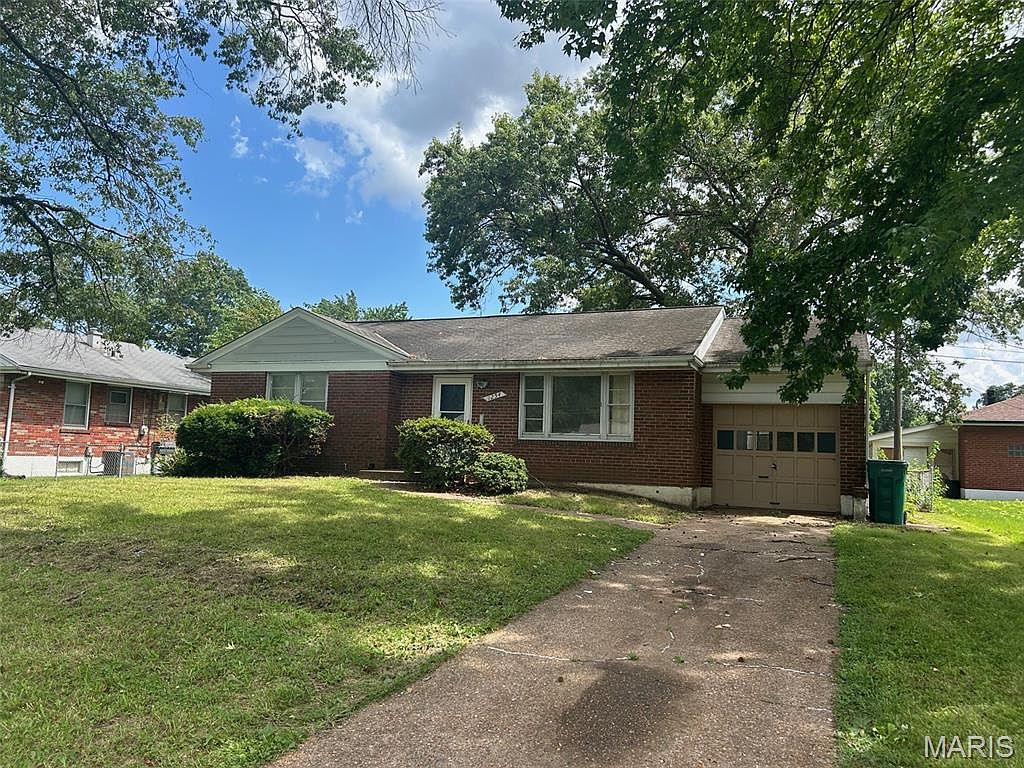
Saint Louis, MO
🏠 Property: Waldorf Dr
🛏️ Beds/Baths: 4 Bed • 1 Bath • 1192 sqft
💰 Price: $145,000 | Rent: $1,500
📊 Cap Rate: 8.7% | NOI: $1,051
📅 Year Built: 1961
📐 Price/Sq Ft: $122
🏙️ Neighborhood: B+
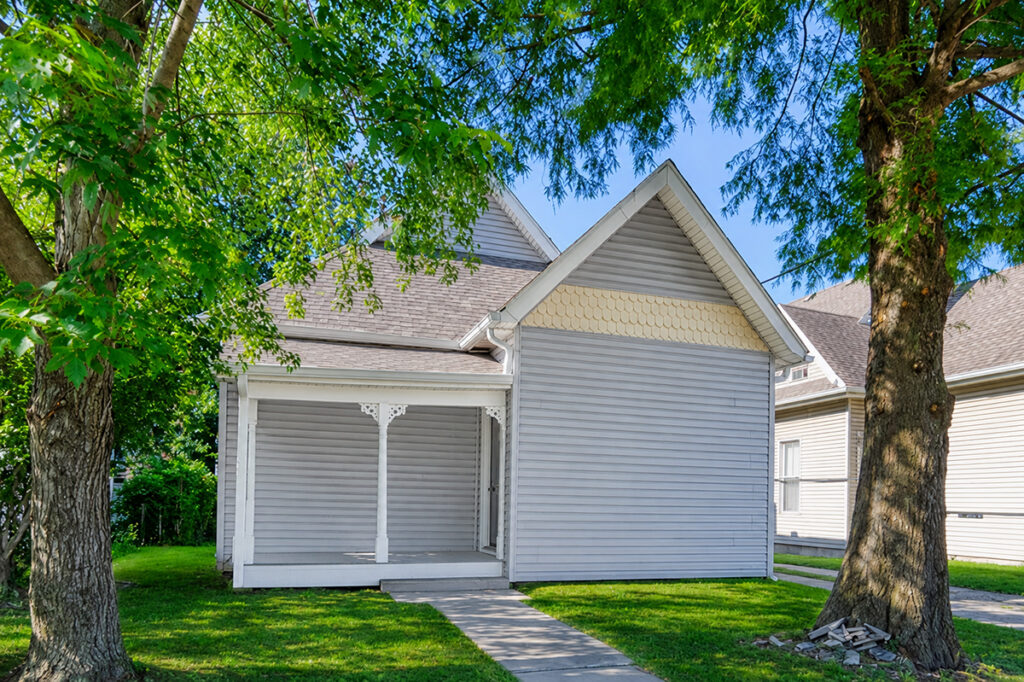
Indianapolis, IN
🏠 Property: E Raymond St
🛏️ Beds/Baths: 2 Bed • 1 Bath • 968 sqft
💰 Price: $192,000 | Rent: $1,550
📊 Cap Rate: 7.4% | NOI: $1,179
📅 Year Built: 1904
📐 Price/Sq Ft: $199
🏙️ Neighborhood: B
Saint Louis offers a budget‑friendly 4‑bed rental with a high cap rate, while Indianapolis provides a classic 2‑bed property with steady cash flow. Which Midwest market fits YOUR investment strategy?
We have much more inventory available than what you see on our website – Let us know about your requirement.
📈 Choose Your Winner & Contact Us Today!
Speak to a Norada Investment Counselor (No Obligation):
(800) 611-3060
Build Passive Income & Wealth with Turnkey Rentals
Mortgage rates remain high in 2026, but rental properties continue to deliver strong cash flow and appreciation. Savvy investors know that turnkey real estate is the path to passive income and long‑term wealth.
Norada Real Estate helps you secure turnkey rental properties designed for immediate cash flow and appreciation—so you can invest smartly regardless of interest rate trends.
🔥 HOT INVESTMENT LISTINGS JUST ADDED! 🔥
Request a Callback / Fill Out the Form Online
