


California Legal Implications: Managing Assets and Legal Authority When a Loved One Goes Missing
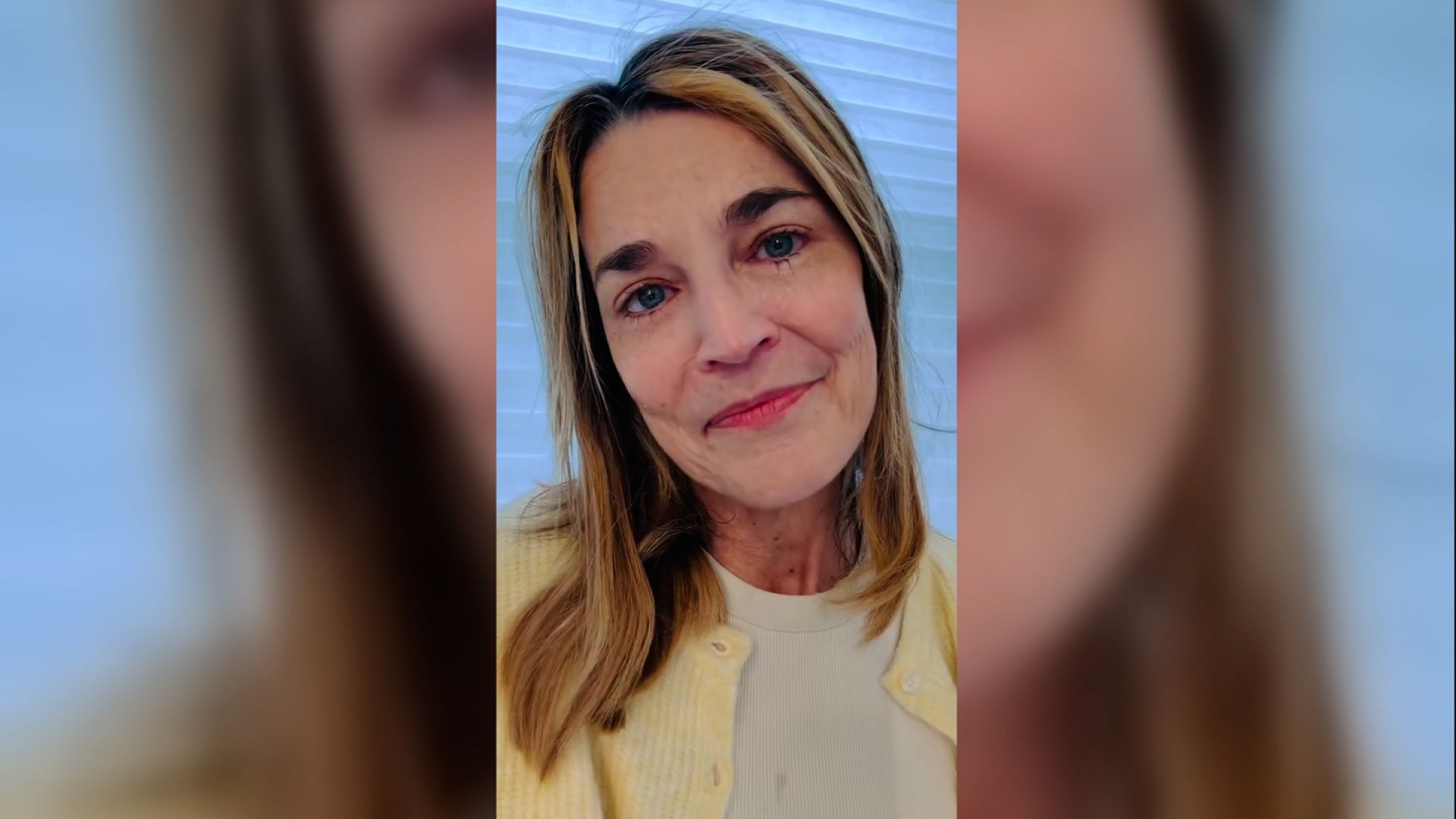
The disappearance of Nancy Guthrie has captured national attention, highlighted by the heartfelt plea and substantial reward offer from her daughter, Savannah Guthrie. As reported in the recent news coverage, the Guthrie family is offering up to $1 million for information leading to the recovery of the 84-year-old, who vanished from her home in February. While law enforcement continues their search, the family is utilizing significant financial resources to aid the investigation and offer rewards., the Guthrie family is offering up to $1 million for information leading to the recovery of the 84-year-old, who vanished from her home in February. While law enforcement continues their search, the family is utilizing significant financial resources to aid the investigation and offer rewards.
For California families, a crisis of this nature raises critical legal questions regarding estate planning. When a loved one disappears, families are often left not only with emotional trauma but also with logistical nightmares. How are bills paid? Who has the authority to access bank accounts to fund private investigators or post rewards? Without proper estate planning documents in place, families may find their hands tied during a critical window of time.
The Role of the Durable Power of Attorney
In the immediate aftermath of a disappearance, the most vital document is often the Durable Power of Attorney (DPOA) for finances. This legal document allows a designated agent to manage the financial affairs of the principal. (DPOA) for finances. This legal document allows a designated agent to manage the financial affairs of the principal.
If a person goes missing, bills for their home, insurance, and utilities continue to accrue. Furthermore, families often need immediate access to funds to hire private search teams or, as seen in the Guthrie case, offer rewards. If the missing person is the primary holder of the assets, a family member cannot simply access those accounts without legal authority.
– Immediate Access: A properly drafted DPOA allows the agent to act immediately without court intervention.
– Funding the Search: The agent can legally use the principal’s assets to fund efforts to locate them, arguing that such expenditures are in the principal’s best interest.: The agent can legally use the principal’s assets to fund efforts to locate them, arguing that such expenditures are in the principal’s best interest.
Trusts and the Successor Trustee
For those with a Revocable Living Trust, the process is often smoother. Trusts are designed to manage assets during the grantor’s lifetime, specifically in events of incapacity or unavailability., the process is often smoother. Trusts are designed to manage assets during the grantor’s lifetime, specifically in events of incapacity or unavailability.
– Trust Terms: A well-drafted trust can define “incapacity” or “absence” broadly enough to allow a Successor Trustee to step in if the grantor disappears.
– Asset Management: The Trustee has a fiduciary duty to manage the trust assets. This ensures the missing person’s property is maintained and protected from theft or neglect while the search continues.: The Trustee has a fiduciary duty to manage the trust assets. This ensures the missing person’s property is maintained and protected from theft or neglect while the search continues.
Conservatorship: The Court-Ordered Alternative
If a missing person in California has no Power of Attorney or Trust, the family often must petition the court for a Conservatorship of the Estate..
– Public Record: Unlike a Trust, conservatorship proceedings are public.
– Court Supervision: The court must approve significant expenditures, which can slow down the ability to react quickly in an emergency.
– Cost and Delay: Establishing a conservatorship is expensive and time-consuming—two things families usually cannot afford when a loved one is missing.: Establishing a conservatorship is expensive and time-consuming—two things families usually cannot afford when a loved one is missing.
California Law on Missing Persons
Under the California Probate Code (Sections 12400-12408), specific procedures exist for administering the estate of a person presumed dead. Generally, a person must be missing for five years before they are presumed dead, allowing for the distribution of their estate. However, during that interim period, the management of their assets is critical., specific procedures exist for administering the estate of a person presumed dead. Generally, a person must be missing for five years before they are presumed dead, allowing for the distribution of their estate. However, during that interim period, the management of their assets is critical.
A comprehensive estate plan acts as a safety net, ensuring that if the unthinkable happens, your family has the legal authority to act instantly to find you and protect your legacy.
About This Case
California Probate and Trust, PC Can Help
– Free consultations: (866)-674-1130
– Experienced California estate planning
– Schedule consultation
– Learn more: cpt.law
Legal Disclaimer
This article is for informational purposes only. Consult with a qualified California estate planning attorney for advice specific to your situation.
