


It’s impossible to say for certain how much it will cost for you to seek a will’s nullification without knowing the specifics of your situation. For example, canceling your own will while... Read more »
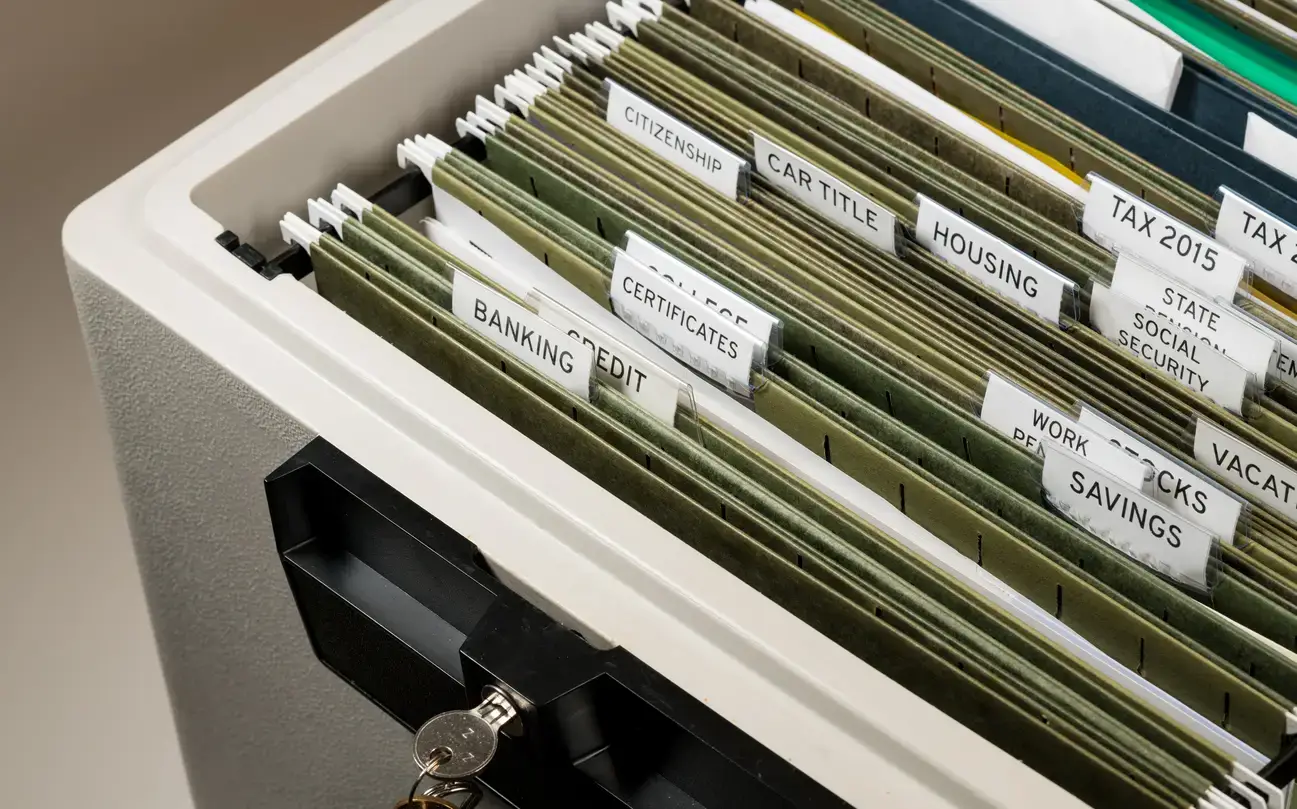
Yes, as discussed in this article, a beneficiary designation can generally be contested, so long as you have legal standing and valid grounds for contesting the beneficiary designation. Keep in mind that... Read more »
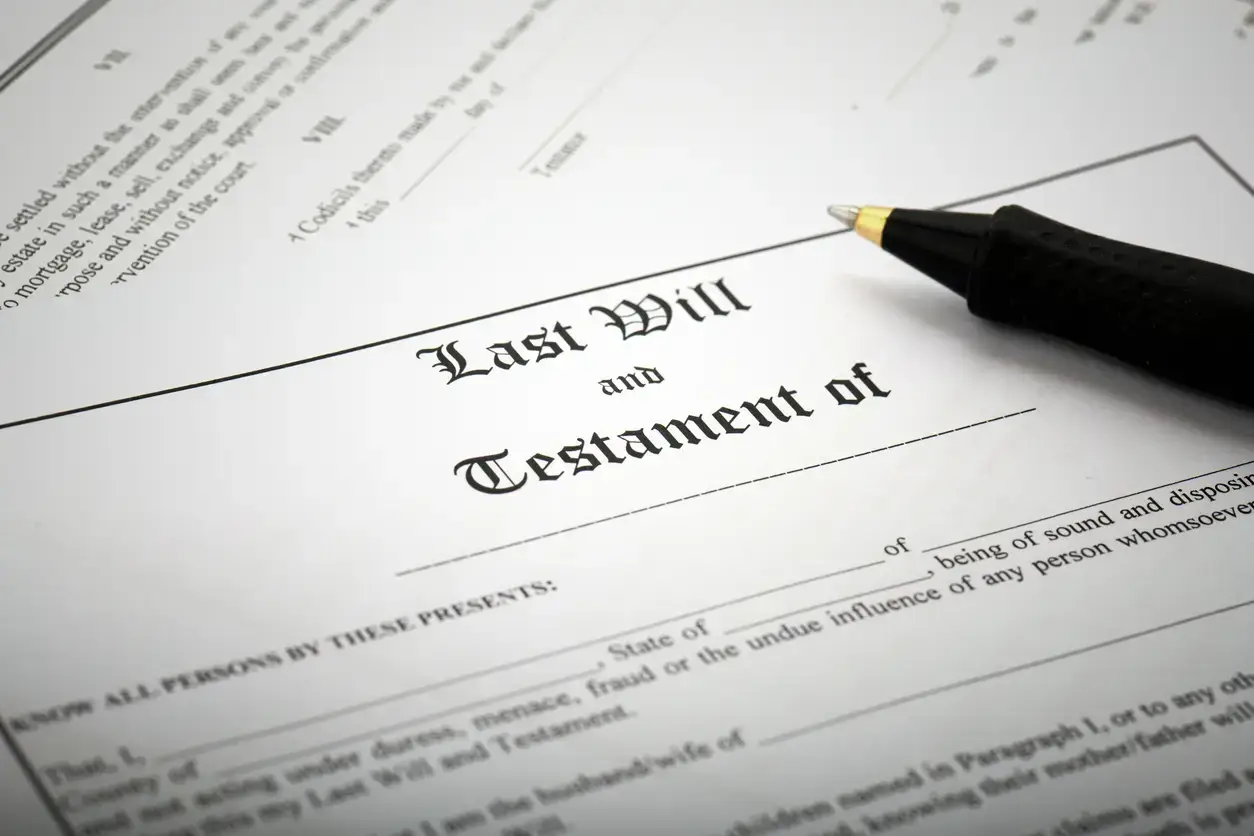
Yes, if a warranty deed is properly executed prior to the decedent’s death and transfers the property to another person, the deed “overrides” a will simply on the basis of how it... Read more »

No, marriage doesn’t in and of itself “override” a will. It can, however, protect a surviving spouse’s rightful share of the decedent’s estate. To put it another way, if a decedent’s will... Read more »
Although no one is required to create a will, having a will can enable you to control how and to whom your assets are distributed after you die. Many people falsely assume... Read more »

No, a will usually doesn’t override a joint tenancy deed, since a will is subject to probate, but a joint tenancy deed is not. When assets are held in joint tenancy, the... Read more »

Yes, because Medi-Cal typically doesn’t regard a home as a recoverable asset if someone retains a life estate in it. It generally is shielded from Medi-Cal recovery, even if the applicant moves... Read more »

Yes and no. In community property states like California, a spouse is only entitled to dispose of their 50% share of the community property in their will. If they dispose of more... Read more »

It’s not uncommon for a conservatorship to serve many of the same purposes as a power of attorney, which is why it’s easy to get confused about which of these legal arrangements... Read more »

Executors play a crucial role in probate cases, appointed to transfer assets to the rightful beneficiaries. While most executors perform their duties well, some fail, causing serious issues for beneficiaries. In this... Read more »