


Thinking about buying a house or selling your current one? It’s smart to know where the housing market might be heading. While national home prices are seeing a slight boost, some cities are looking a bit shaky. According to data from Cotality, these top 5 cities could be at a high risk of seeing their home prices fall by 2027 — Buffalo, NY, Cambridge, MA, Providence, RI, Rochester, NY, and Worcester, MA.
Top 5 Cities at High Risk of a Home Price Decline by 2027
What’s Happening Now?
Some parts of the country are seeing home prices climb, especially in the Midwest and Northeast. Places like Illinois and Connecticut are showing nice year-over-year growth. But it’s not all sunshine and rainbows everywhere.
Big investments in things like AI technology are creating some super hot spots, like Abilene, Texas. This city has seen its home prices jump thanks to new data centers. It’s like a special bubble keeping it safe from bigger housing dips in its own state.
But what about the flip side? Not all areas are thriving. Some places that saw big price jumps recently are now feeling the pinch of high prices and fewer people being able to afford homes. This is making the market shift, and some cities are facing a real risk.
Why Are These Cities at Risk?
Dr. Selma Hepp, the Chief Economist at Cotality, explains that the U.S. housing market isn’t a one-size-fits-all story anymore. Things are getting more local. What’s happening with jobs, how much people earn, where people are moving, and what big industries are investing in a town all play a huge role.
When mortgage rates stay high, these local factors become even more important. It’s like a puzzle where each piece needs to fit just right. If one piece is missing or out of place, the whole picture can change.
Here’s a quick look at the general picture:
| Metric | Value |
|---|---|
| National Median Home Price | $427,400 |
| Income to Afford Median Home | $95,000 |
| U.S. Home Price Growth (YOY) | +1.2% |
| Home Price Forecast (Next Year) | +1.5% |
This table shows that while nationally prices are growing a little, the income needed to afford a home is also quite high. This means many people are on the edge.
The Top 5 Cities Where Home Prices Might Fall
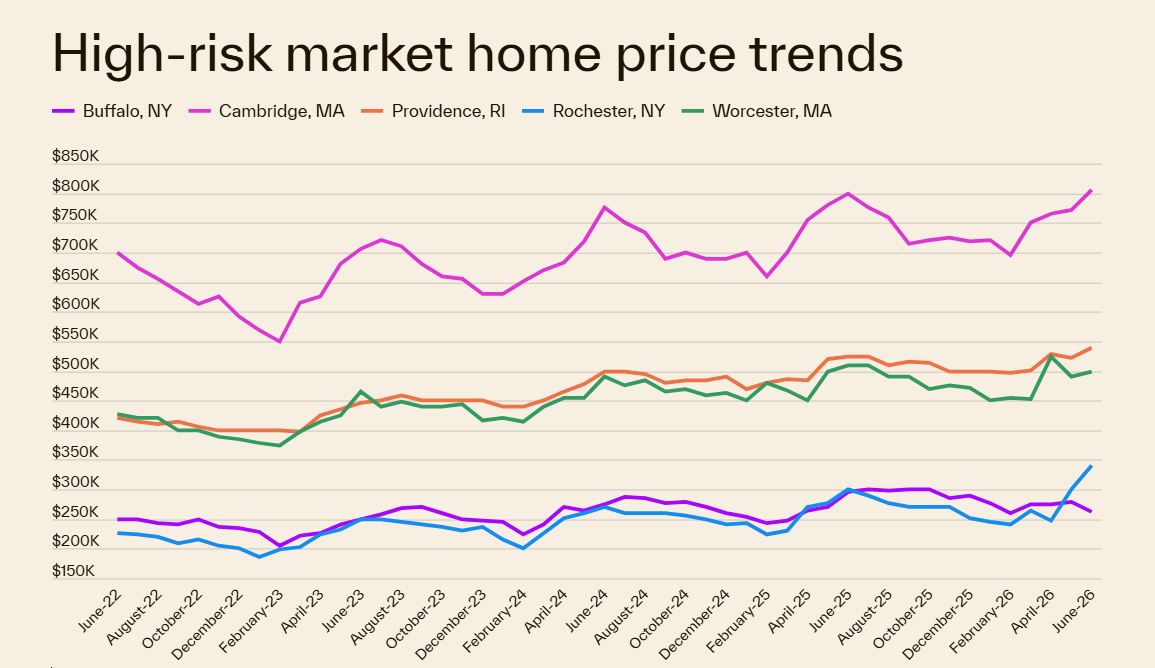
The data from Cotality points to these five cities as areas where homeowners and potential buyers should pay close attention. These are places where the ingredients for a price drop seem to be mixing.
1. Buffalo, NY
Buffalo, a city known for its charm and history, might be facing some tough times ahead for its housing market. For a while, even though prices were going up, they weren’t as high as in other parts of the country. But this little bit of growth might have made homes less affordable for locals.
Now, with mortgage rates staying put, it’s harder for people to buy. If fewer people can afford to buy, prices might have to come down. It’s like when there are too many toys on the shelf and not enough kids wanting them.
2. Cambridge, MA
Cambridge is famous for its prestigious universities and thriving tech scene. This has usually meant a strong housing market. However, it also means that homes here have always been super expensive.
When prices get this high, even a small change in the economy or higher borrowing costs can make a big difference. Imagine a balloon that’s already really full of air. A tiny little poke could make it pop.
3. Providence, RI
Rhode Island’s capital, Providence, has seen its own share of housing market ups and downs. While it’s seen some price growth, the bigger picture for housing in the Northeast means that affordability is a growing concern. Lots of people want to live there, but can they really afford to?
With limited homes for sale, prices have been pushed up. But if the economy slows down or fewer people can qualify for mortgages, that high demand could suddenly disappear. What happens when everyone who wants a house suddenly can’t get one?
4. Rochester, NY
Rochester, another New York city, is on this list. It saw some good price increases in the past, which was great for sellers at the time. But, as Cotality’s Chief Economist Dr. Selma Hepp noted, Rochester is a place where strong price gains in the past might have made housing much less affordable.
When prices climb too fast, buyers get priced out. Then, demand cools down, and sellers might have to lower their prices to find a buyer. It’s like a game of musical chairs where the music stops, and not everyone has a seat.
5. Worcester, MA
Worcester, Massachusetts, is often seen as a more affordable alternative to Boston, but it’s not immune to market shifts. Like Cambridge, it’s in a region where a shortage of homes for sale has put upward pressure on prices. This can lead to a situation where prices rise too quickly for incomes.
If the cost of living keeps going up and salaries don’t keep pace, people will struggle to afford these homes. This can lead to a slowdown in sales and, potentially, a drop in prices.
What Does the Future Hold?
The housing market is always changing. While these five cities are flagged as high-risk, it doesn’t mean prices will definitely crash. It means there are more risks than in other places.
Here’s what to keep in mind:
- Local Jobs Matter: If these cities can attract new businesses and create good jobs, it can help support housing prices.
- Affordability is Key: The biggest factor is whether people can actually afford to buy homes in these areas.
- Interest Rates: If mortgage rates continue to stay high, it will continue to put pressure on buyers.
- New Construction: If more homes are built, it could help balance supply and demand.
It’s always a good idea to do your homework and talk to local real estate experts if you’re thinking about buying or selling in any of these markets.
Final Thoughts: Navigating the Market
The housing market is a complex system, and predicting the future is never easy. However, by understanding the factors that influence home prices, like the ones highlighted by Cotality, you can make more informed decisions. Whether you’re a buyer looking for a deal or a seller hoping to maximize your return, staying aware of potential risks and opportunities is crucial.
What are your thoughts on the housing market in these cities? Are you seeing similar trends where you live? Share your experiences in the comments below!
🏡 High‑Yield Midwest Rentals: Missouri vs Indiana
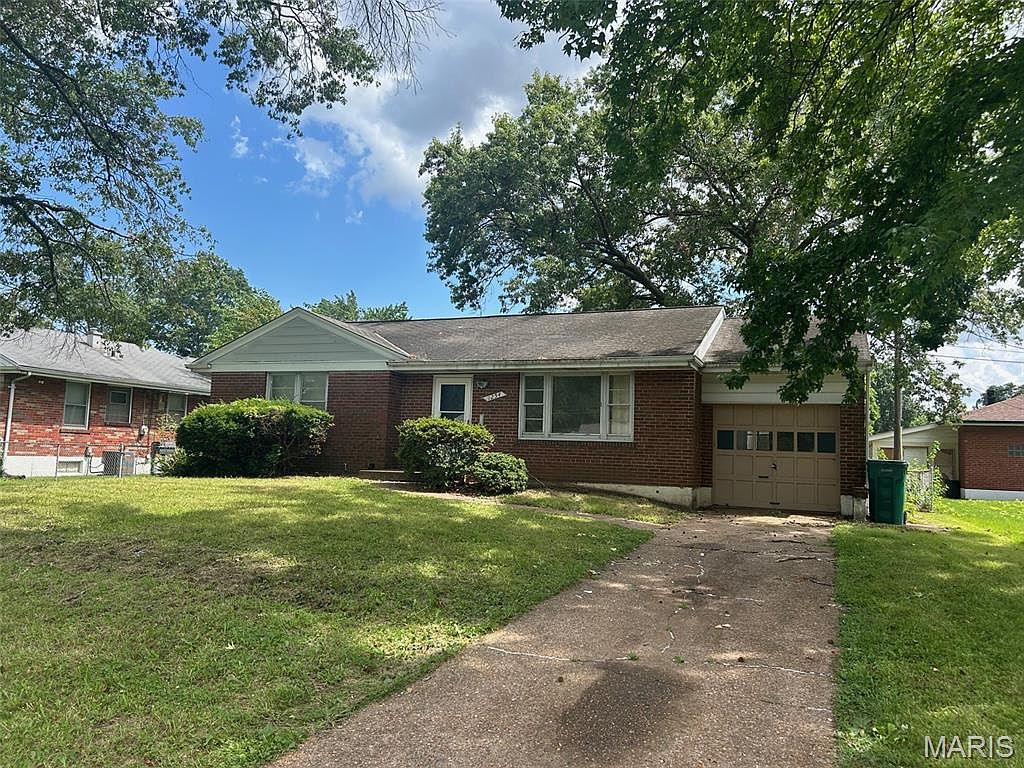
Saint Louis, MO
🏠 Property: Waldorf Dr
🛏️ Beds/Baths: 4 Bed • 1 Bath • 1192 sqft
💰 Price: $145,000 | Rent: $1,500
📊 Cap Rate: 8.7% | NOI: $1,051
📅 Year Built: 1961
📐 Price/Sq Ft: $122
🏙️ Neighborhood: B+
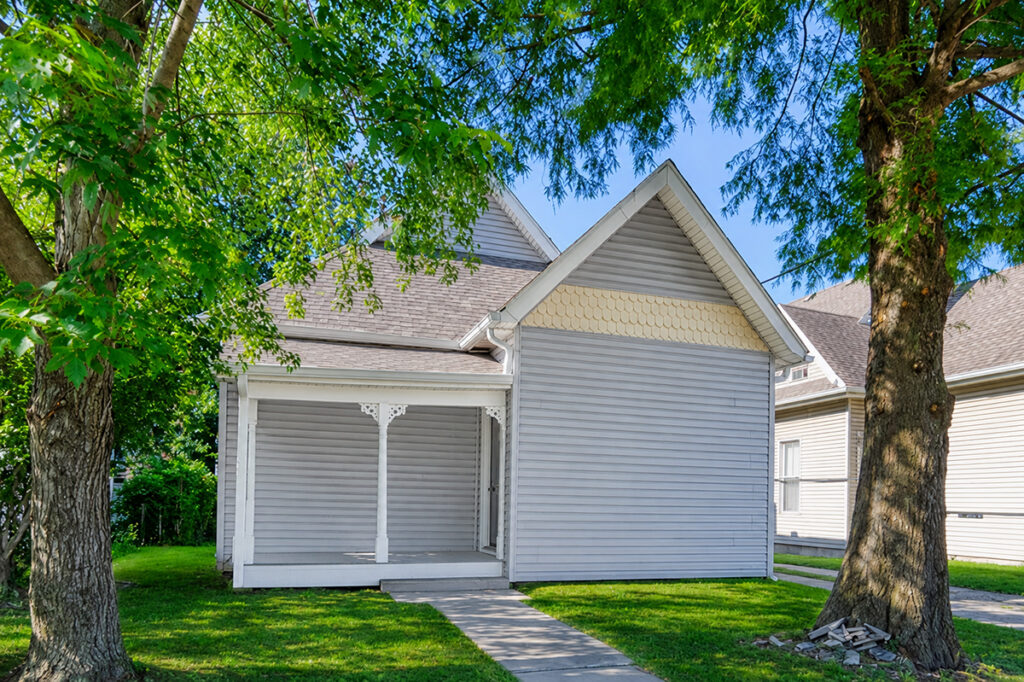
Indianapolis, IN
🏠 Property: E Raymond St
🛏️ Beds/Baths: 2 Bed • 1 Bath • 968 sqft
💰 Price: $192,000 | Rent: $1,550
📊 Cap Rate: 7.4% | NOI: $1,179
📅 Year Built: 1904
📐 Price/Sq Ft: $199
🏙️ Neighborhood: B
Saint Louis offers a budget‑friendly 4‑bed rental with a high cap rate, while Indianapolis provides a classic 2‑bed property with steady cash flow. Which Midwest market fits YOUR investment strategy?
We have much more inventory available than what you see on our website – Let us know about your requirement.
📈 Choose Your Winner & Contact Us Today!
Speak to a Norada Investment Counselor (No Obligation):
(800) 611-3060
