


California Legal Implications: Digital Assets, Privacy, and Post-Mortem Disputes
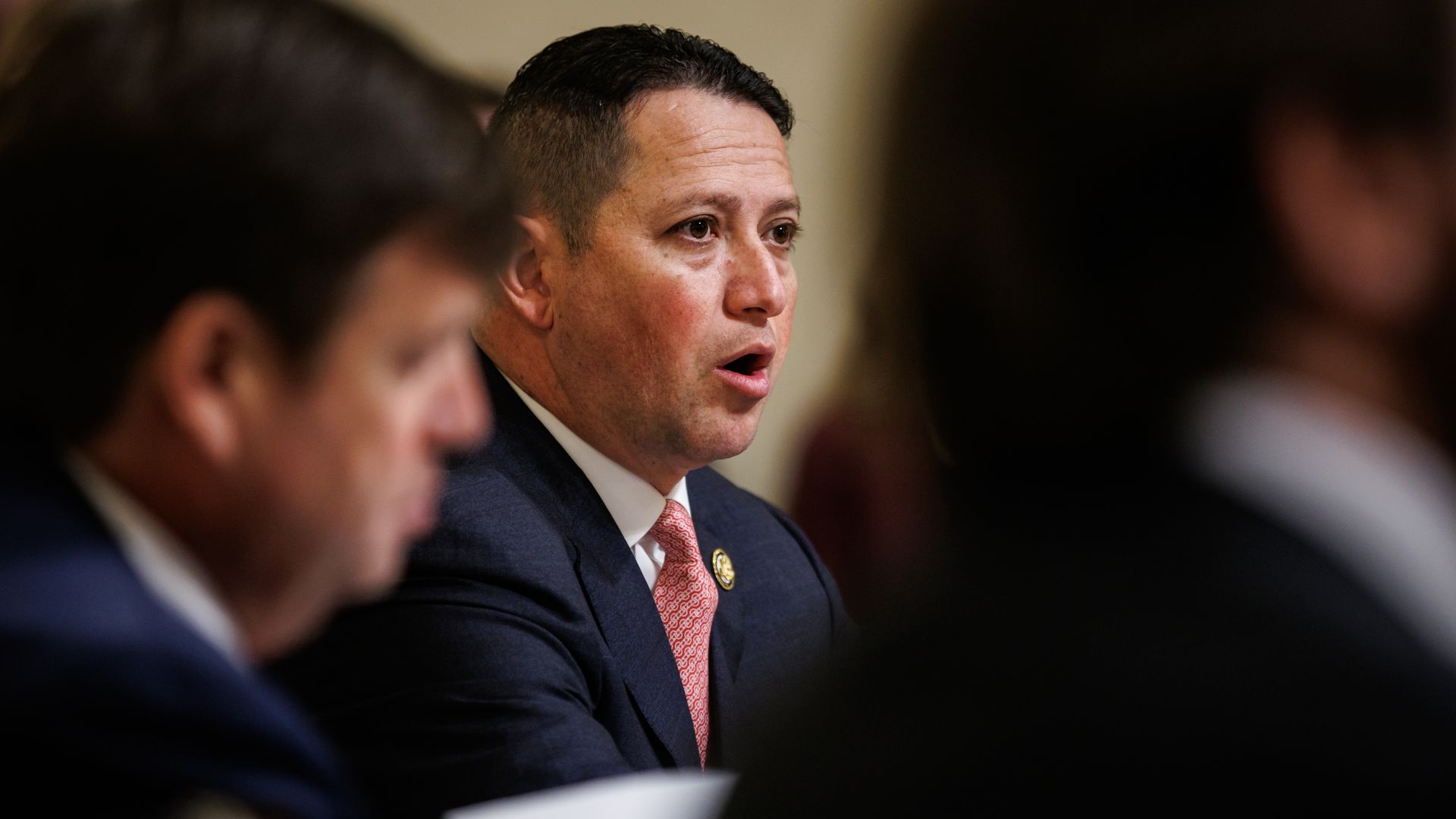
According to a recent report by Axios, Representative Tony Gonzales is facing calls for resignation following allegations of an affair with a former staffer who later died by suicide. The controversy has been fueled by text messages released by the deceased staffer’s husband, as well as disputes regarding a potential financial settlement and non-disclosure agreement., Representative Tony Gonzales is facing calls for resignation following allegations of an affair with a former staffer who later died by suicide. The controversy has been fueled by text messages released by the deceased staffer’s husband, as well as disputes regarding a potential financial settlement and non-disclosure agreement.
While this story is unfolding in the political arena, the release of private text messages after a death and the negotiation of settlements involving a deceased person’s estate raise significant legal questions relevant to California residents. This case highlights the importance of planning for Digital Assets and understanding the role of an Executor or Administrator in handling sensitive information and legal claims. in handling sensitive information and legal claims.
Control Over Digital Assets After Death
One of the most contentious aspects of the Gonzales case involves the release of private text messages by the surviving spouse. In California, the management of electronic communications—such as text messages, emails, and social media accounts—is governed by the Revised Uniform Fiduciary Access to Digital Assets Act (RUFADAA)..
Without specific estate planning documents, the access to and control over a deceased person’s digital life can become a legal gray area.
* Explicit Consent: Under California law, a user can use an “online tool” (like Google’s Inactive Account Manager) to direct disclosure. If that is not used, specific direction in a Will or Trust governs.
* Fiduciary Access: If no specific instructions exist, the custodian of the data (the tech company) is often reluctant to release content due to federal privacy laws. However, a court-appointed Personal Representative may be granted access to the “catalogue of electronic communications” (the who, when, and where) but not necessarily the content (the actual texts) without express consent in the estate plan or a court order finding it necessary for the administration of the estate. may be granted access to the “catalogue of electronic communications” (the who, when, and where) but not necessarily the content (the actual texts) without express consent in the estate plan or a court order finding it necessary for the administration of the estate.
For California families, this underscores the need to specifically address digital assets in an estate plan to ensure that private communications remain private or are only accessed by trusted individuals.
Settlements and Claims Involving an Estate
The news report mentions a dispute over a proposed $300,000 settlement and a non-disclosure agreement. In the context of California Probate, dealing with claims—whether the estate is the plaintiff (suing for wrongful death or other damages) or the defendant (being sued)—is a complex process., dealing with claims—whether the estate is the plaintiff (suing for wrongful death or other damages) or the defendant (being sued)—is a complex process.
* Fiduciary Duty: The Administrator of an estate has a Fiduciary Duty to act in the best interest of the estate’s beneficiaries. Entering into settlement agreements requires careful legal review to ensure the terms are enforceable and fair.
* Creditor Claims: If an estate owes money or is facing a lawsuit, the claimant must file a Creditor’s Claim within a specific statutory period.
* Wrongful Death: When a death is associated with the actions of another, the estate or the surviving family members may have grounds for a wrongful death lawsuit. Any settlement resulting from such claims must be distributed according to California law, often requiring court approval to ensure proper allocation among heirs.: When a death is associated with the actions of another, the estate or the surviving family members may have grounds for a wrongful death lawsuit. Any settlement resulting from such claims must be distributed according to California law, often requiring court approval to ensure proper allocation among heirs.
Privacy Rights Post-Mortem
Generally, the right to privacy is a personal right that ends at death. This means that a deceased person cannot be defamed in the eyes of the law. However, surviving family members may have rights regarding the release of specific types of records, such as medical history or police reports, as seen in the Uvalde police records mentioned in the report.
A comprehensive estate plan can help mitigate these issues by appointing a trusted Trustee or Executor who is empowered to manage the deceased’s reputation and privacy to the extent the law allows, minimizing the risk of family disputes or public leaks of sensitive information. who is empowered to manage the deceased’s reputation and privacy to the extent the law allows, minimizing the risk of family disputes or public leaks of sensitive information.
About This Case
Source: Rep. Tony Gonzales faces growing Republican calls to resign over alleged affair
California Probate and Trust, PC Can Help
– Free consultations: (866)-674-1130
– Experienced California estate planning
– Schedule consultation
– Learn more: cpt.law
Legal Disclaimer
This article is for informational purposes only. Consult with a qualified California estate planning attorney for advice specific to your situation.
